We all go through life transitions … starting a new professional chapter, moving to a new place, coming back from a break or illness, navigating educational stages, working through a breakup, and so on.
After a long and successful career at Procter & Gamble, my former boss Brian was approaching retirement. But instead of falling into “nothing”, he actively designed his next chapter. And things turned out so well he described the last decade as “the best years of his life.”
I was hooked and felt there were perhaps some nuggets here for all of us on how to navigate important life transitions well. And so, I thought I’d share a bit of his story.
During the last year before his retirement, Brian was fortunate to be in an assignment that acted like a “cool-down-phase” from the hectic and highly stressful decades before. And he made full use of it. He took the time to reflect on what would truly matter in the next phase of his life.
He knew he wanted to stay active but do something completely different from decades in the corporate supply chain world. He also wanted to prove to his father that he could create something with his hands.
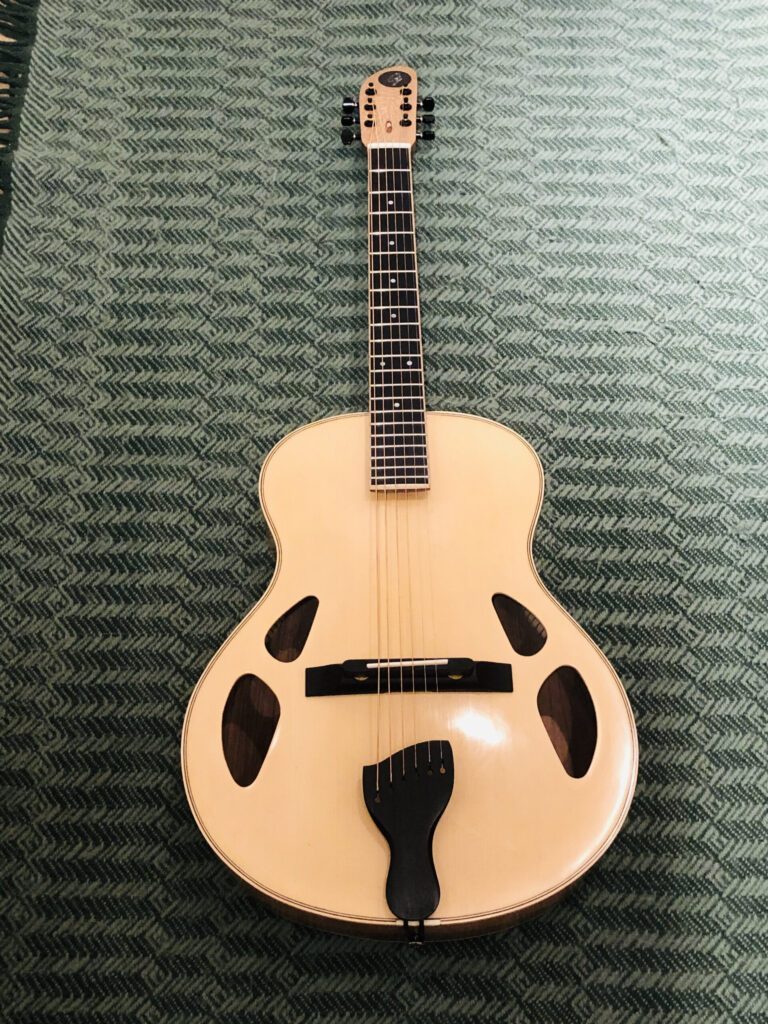
He loved playing the guitar, but had never built one, so he signed up for a guitar-building course. He wanted to learn the local language, so he joined a language class.
And, he felt drawn to art, yet realised how little he knew, so he enrolled in an art history course.
His last day at P&G was on a Friday. The following Monday, he started language class in the morning and guitar building in the afternoon. A full, but balanced, calendar with time for the gym and rest.
It turned out that during that period, the guitar-building school became involved in a major EU-funded project, together with other schools and luthiers from across Europe, exploring guitars made from non-tropical wood. Brian was invited to the project kick-off meeting.
Listening to the passionate discussions, he suddenly found himself standing at the flip chart structuring thoughts, bringing clarity to the conversation, and doing what he had done so well for decades.
And people noticed.
He was asked to join the board and eventually became its chairman. Over more than 10 years, he helped grow the school to the point where it is now in the process of applying for royal recognition for its contribution to society.
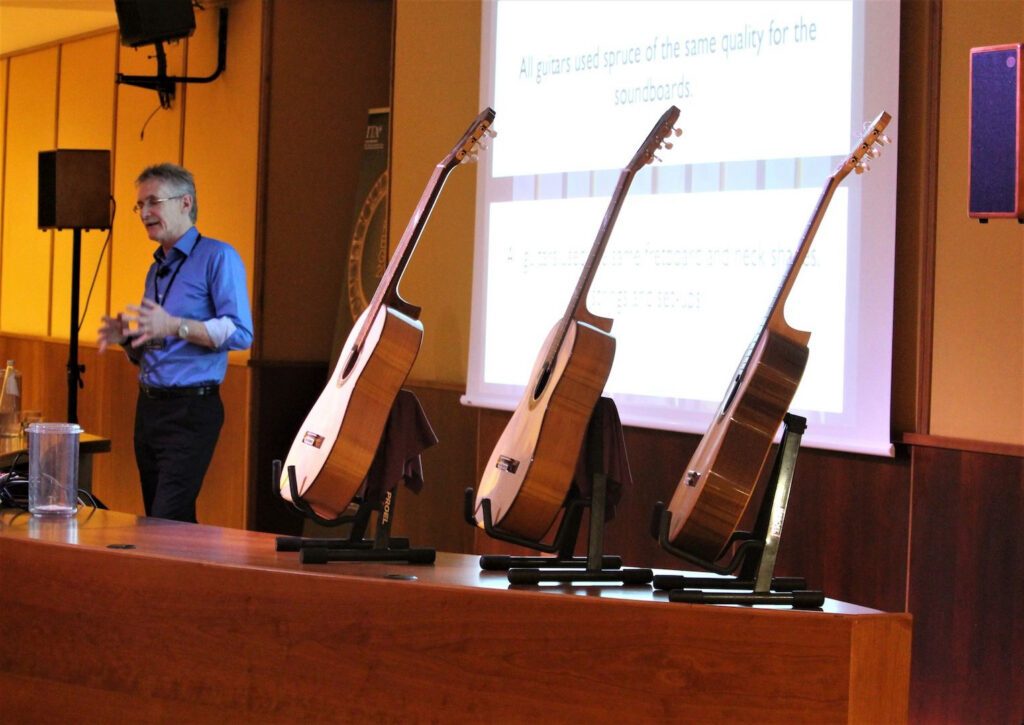
Along the way, Brian learned to speak the local language, painted extensively, and was able to show the guitars he had built himself to his father. All of this while genuinely enjoying life.
What struck me most was Brian didn’t have it all figured out. He simply started and stayed open to what emerged. Reflecting on how he managed this transition so well, I couldn’t help but notice four steps:
1. Start before you stop
When something ends, we lose a part of our identity. That can be very tough and may take time to digest. If possible, we should begin preparing and working through the grief and loss of identity before the transition happens.
If that’s not possible, as some transitions are abrupt or not by choice, like losing a job, it becomes even more important to consciously create space for the new life path right after the transition starts. A bit of distance, a bit of slowing down … almost like a detox … to process what has ended and to allow something new to emerge.
2. Get clear on what matters to you
Without clarity, it’s easy to drift into things that don’t truly fulfil you or recreate a version of what you just left behind. Helpful ways to find out what truly matters include journalling, talking to friends, spending time in nature, and simply giving yourself moments of quiet to notice what truly gives you energy and what doesn’t.
You might also explore questions like:
• When have you felt most alive?
• What would you do if money didn’t matter?
• What do others say are your strengths?
3. Take the first small step
Without taking action, it’s easy to get stuck in thinking, waiting for the perfect answer that rarely comes. Don’t overthink it. Try things out.
Brian was clear. If something didn’t work, he would stop after a few months and try something else.
This is key: We are not making lifetime decisions. We are exploring.
4. Let things unfold and “find you”
Once you start, stay with it and keep your eyes and ears open. Opportunities often appear to find you, but only when you’re already moving. This requires trust … and a bit of letting go.
Meeting Brian, I felt I met someone deeply in sync with life. He was looking back at his years after P&G with a big smile. And now, as he prepares for his next chapter, which involves stepping down as chairman, I am sure he will navigate it just as well.
If you or someone close to you is going through a transition, or preparing for one, take a moment to reflect on Brian’s four steps.
No transition is identical. But perhaps one or two ideas from Brian’s story resonate — for you, or for someone close to you. Try them out — they might just change how this new chapter of life unfolds.
Cheerio
Joerg

Hi Jörg,
The 4 steps described by you are very inspiring. As I was reading through it was very clear that myself are in such an similar phase of life and certainly you are high lighting thoughts to seriously consider
Thanks 🙏 for the input
Markus
Thx Markus and hope to see you again soon :-)!
Cheerio
Joerg